
The Complete Guide to Eliminating Grease Stains at Home
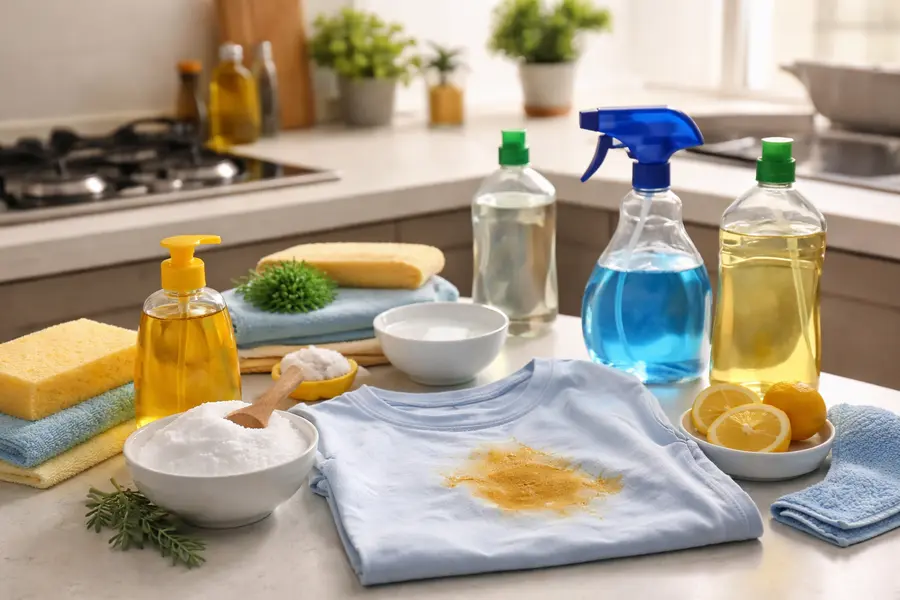
Did you ever ask yourself how a drop of oil can become so dominant, so unremovable a blot? Grease splatter is known to spread fast and embed itself deep into the surfaces, be it your favourite shirt, kitchen cabinet or a carpet in the living room. Grease is oil based and therefore does not dissolve in water easily. This is why the problem can be frequently aggravated by the mere wiping.
The trick is in the fact that it is necessary to employ the right techniques that will absorb or disperse oil. Let us discuss how grease can be removed off various surfaces through the use of simple, practical methods.
1. Staining Grease off Clothes and Fabrics
Clothes are usually affected by grease after cooking or eating, as per cleaning professionals. The trick is to apply the stain as soon as possible before it solidifies. Begin by drying off the extra grease using paper towel. Do not rub, since this may cause the oil to sink in the garment. Pour baking soda on the stain and leave it to be after about 10-15 minutes. This aids in taking up large proportion of the oil. Wipe the powder and apply a bit of clear dishwashing detergent on the stain.
2. Grease in The Kitchen Countertops
Due to cooking, kitchen countertops tend to be oily. When dealing with stone surfaces that have been laminated or covered, warm water with a slight amount of dish soap may be used or a microfiber cloth may also be used to wipe the surface. Just in case the grease is deposited, sprinkling a small portion of baking soda on the affected part and rubbing it in circular movements carefully then one may wipe it off.
3. Tackling Grease on Cabinets
The sticky grease is likely to build up on cabinet doors especially those that are close to the stove. To wash them, a mixture of dish soap and warm water should be made. To remove more difficult build up, a little white vinegar can be added to loosen the grease. Wipe the cabinets with a soft cloth dipped in the solution with special attention given to the parts that have visible remains. Wooden cabinets should be allowed to dry after use, they should not be wetened too much because it destroys the finish. Clean and wipe using dry cloth to remove any moisture.
4. Removing Grease from Walls
When grease is on the walls, it is likely to look like a finger print or a cooking splash. In the case of painted walls, warm water mixed with a mild dish detergent and soft sponge is used to tenderly clean the stained part. Wipe off with caution not to wipe off the paint. Should the stain be left, prepare a paste of baking soda and water and slap the paste on the spot and wipe it with a damp cloth. Start small when applying cleaning solution so that you ensure that it does not touch the paint color or finish. For deeper or stubborn stains during move-out cleaning, a professional bond cleaning service can also be considered.
5. Removing Grease on the Carpets and Upholstery
It is overpowering and when oil spills are on carpets and upholstery, it seems so but time is of the essence. First wipe as much grease as you can off with paper towels. Pour cornstarch or baking soda on top of the spot and allow it 20-30 minutes to absorb the oil. Wipe out the powder appropriately under a vacuum. Then add a few drops of dish soap and warm water and just dab the place with a clean cloth. It is important not to over-wet the carpet and too much water may destroy the fibers and support. Restart once more in case of no stain fading.
6. Removing Grease on Stainless Steel
Greasy fingerprints and smudges can be readily traced on appliances that are made of stainless steel. To clean them, pour a little bit of dish soap and warm water on the surface then clean it using a microfiber cloth. Never use the grain of the steel: it will streak. Wipe the surface then with a clean towel. To give it an extra shine, you may briefly polish the surface with a light coating of olive oil placed on a piece of soft cloth but be sure to wipe all of it off.
7. Cleaning Grease from Floors
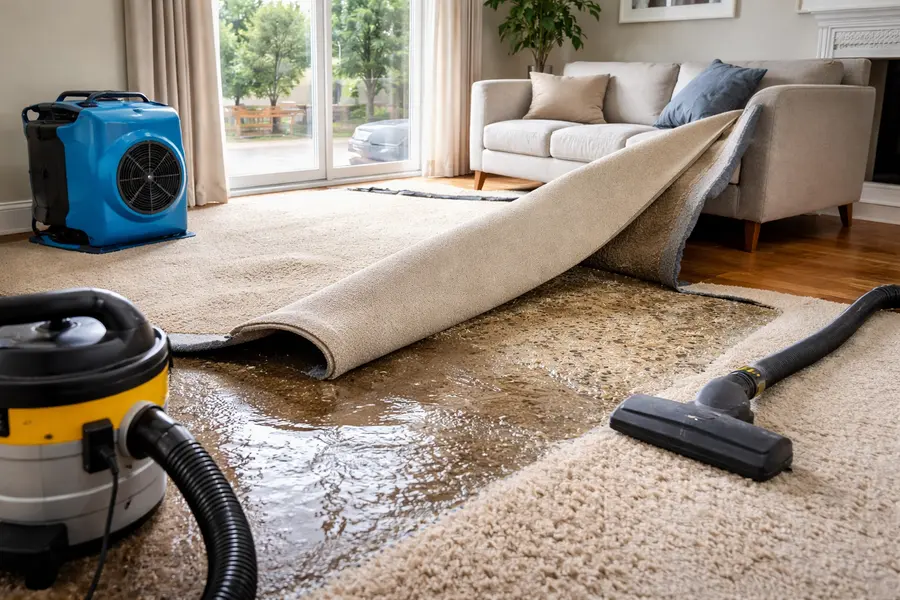
When grease is deposited on the floor, it may become slippery in the kitchen. In case of tile floor, warm water must be used with a grease cutting dish soap solution and then clean water must be used to rinse the floor to clean up. In case with wooden floors, one should apply a cleaner that is safe to wood and should not use much water as moisture can destroy or bend the floors. The regular expert cleaning will make sure that the amount of grease that accumulates will not get harder to remove with time. proper carpet water damage restoration should be carried out by extracting excess water immediately, drying the carpet thoroughly, and using professional-grade equipment to prevent mold and fiber damage.
Conclusion
The grease stains may seem like an utter problem, but with the right approach, it may be managed. A speedy response, application of oil-absorbing products, including baking soda or cornstarch and grease-cutting agents, including dish soap, can remove most stains on any surface. All surfaces need a little different treatment but the principle is the same: it is necessary to absorb the oil and break it down by adding some gentle pressure and clean without harming it. By maintaining it regularly and doing it on time, your home would remain fresh, clean, and grease-free.
Related Posts

I Compared Cheap, Mid & Premium Cleaning Services—Here’s What Changed
Cleaning Services Compared: Cheap vs Premium Guide Hiring cleaners is easy said until you come to…
Best Spring Cleaning Tips to Refresh Your House Now
Spring Cleaning Tips To Refresh Your Home Fast Does your home look a little dull…
The Ultimate Guide to Carpet Water Damage Restoration
Have you ever entered a room only to realize that your carpet was wet because…